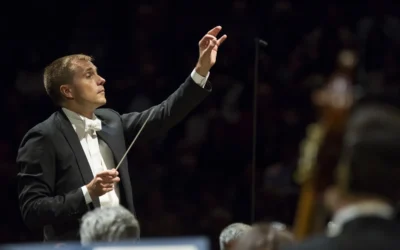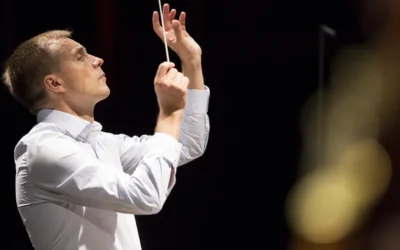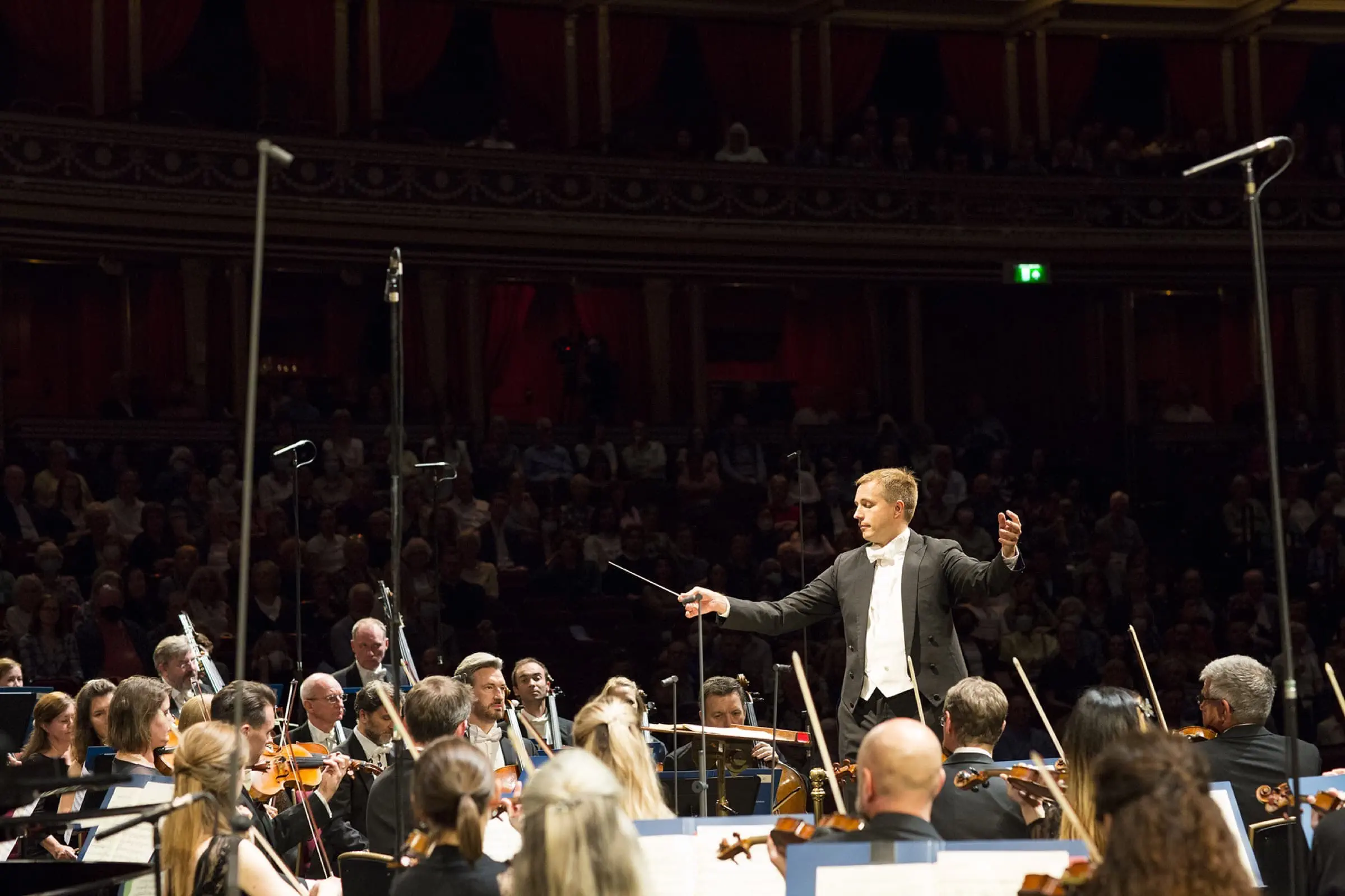
The Royal Philharmonic Orchestra (RPO) has commissioned research to explore the public’s views on AI in Music – a chance for the Orchestra to listen to the audience and to involve them in the ongoing industry debate. Live performances are aspects of the Arts where people think AI will not touch human creativity (75%), whereas studio recorded music (48%) and photography (52%) are areas where people think AI is most likely to have replaced humans by 2050. Vasily comments: “In many ways, human creativity and AI can co-exist is because they offer different strengths. The RPO research revealed that the public felt AI could be used successfully to enhance the production side of recording music – such as the mastering of new recorded music and the restoration and audio enhancement of archive recordings. In terms of the creation of music, AI may in theory offer perfection, but great art is often art precisely because of human imperfections implicit within the shape and form of the piece. This is true of many great paintings for example. Any creative act – any art – always has an element of hesitation in the mind of an artist. Not hesitation in the exact moment of creation, but about the “fullness” or “completion” of the object. One of many examples might be the “Unfinished” Symphony by Schubert. This kind of hesitation is completely beyond AI, in terms of structure and idea. This adds weight to the thought that change and continuity can co-exist.”
Photo: Ben Wright